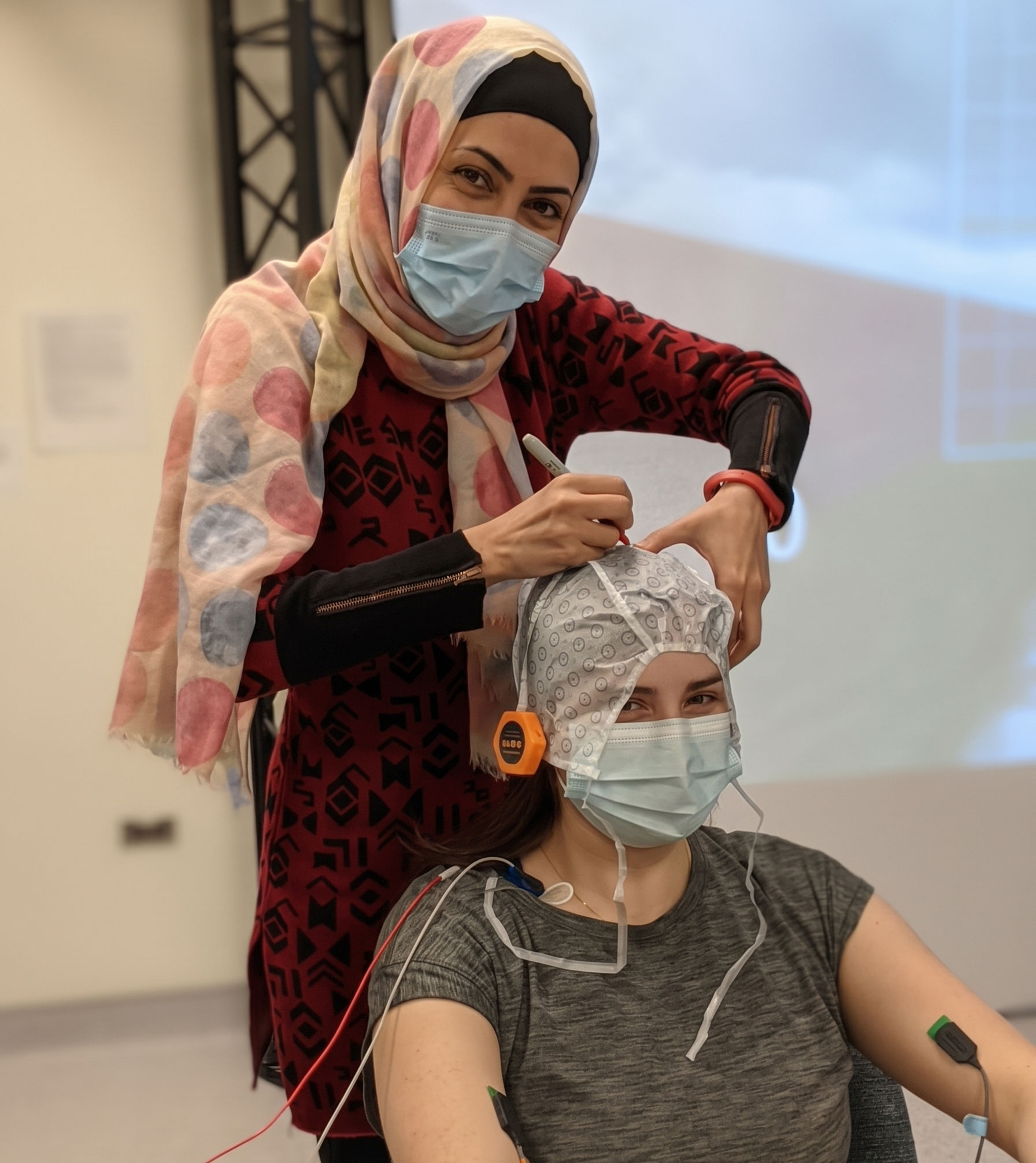
We want to understand what the spinal cord really knows, and how that knowledge can help people recover function after injury.
Members of the Stecina lab study how spinal networks organize movement using systems physiology approaches, human research and data already collected from years of wet-lab research. Systems Physiology is the study of how different organ systems in the body work together to keep the body stable and healthy. Our lab focuses on sensory-motor integration.
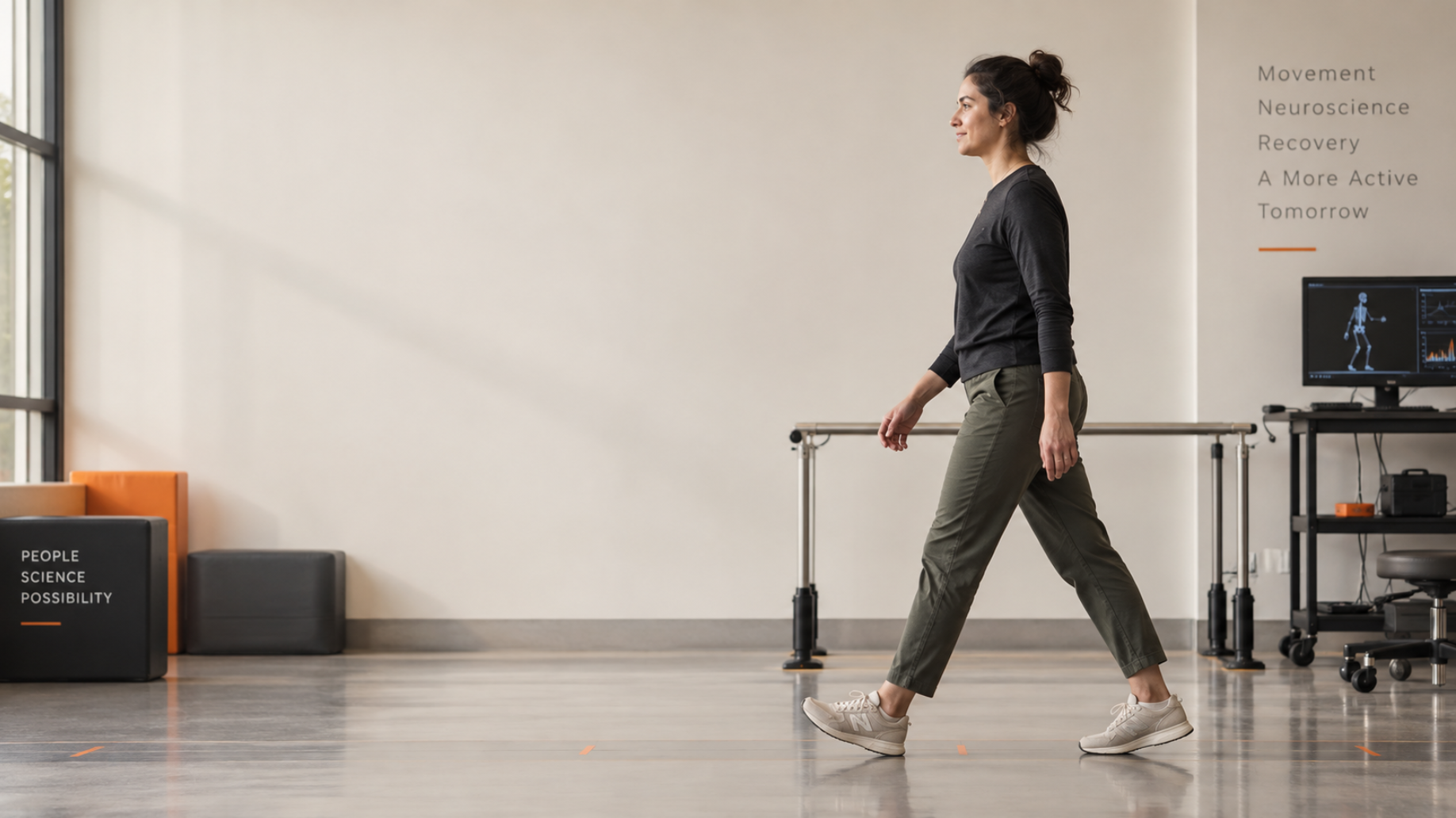
Movement is only part of the story.
Spinal cord injury affects far more than walking. It shapes everyday posture, trunk stability, sensory perception, autonomic regulation, and personal independence.
Understanding how spinal circuits process signals and organize control outside the laboratory is key to identifying which functions can be measured, preserved, or improved.
Understand the circuit
How spinal networks organize movement, posture, and other functions.
Learn from the data
What years of experiments and recordings can still teach us about how spinal circuits work.
Test it in people
Which mechanisms identified experimentally can also be measured or influenced in human physiology.
Measure recovery
How different aspects of function change following spinal cord injury over time.
Understanding the circuit is the beginning.
The challenge is knowing what carries forward.
Fundamental neuroscientific discovery remains central to our work. The essential question is determining which mechanisms identified experimentally remain meaningful across data, models, and human physiology.
Human physiology & stimulation
Can a spinal circuit mapped experimentally, also be verified in people?
Data analysis & pattern discovery
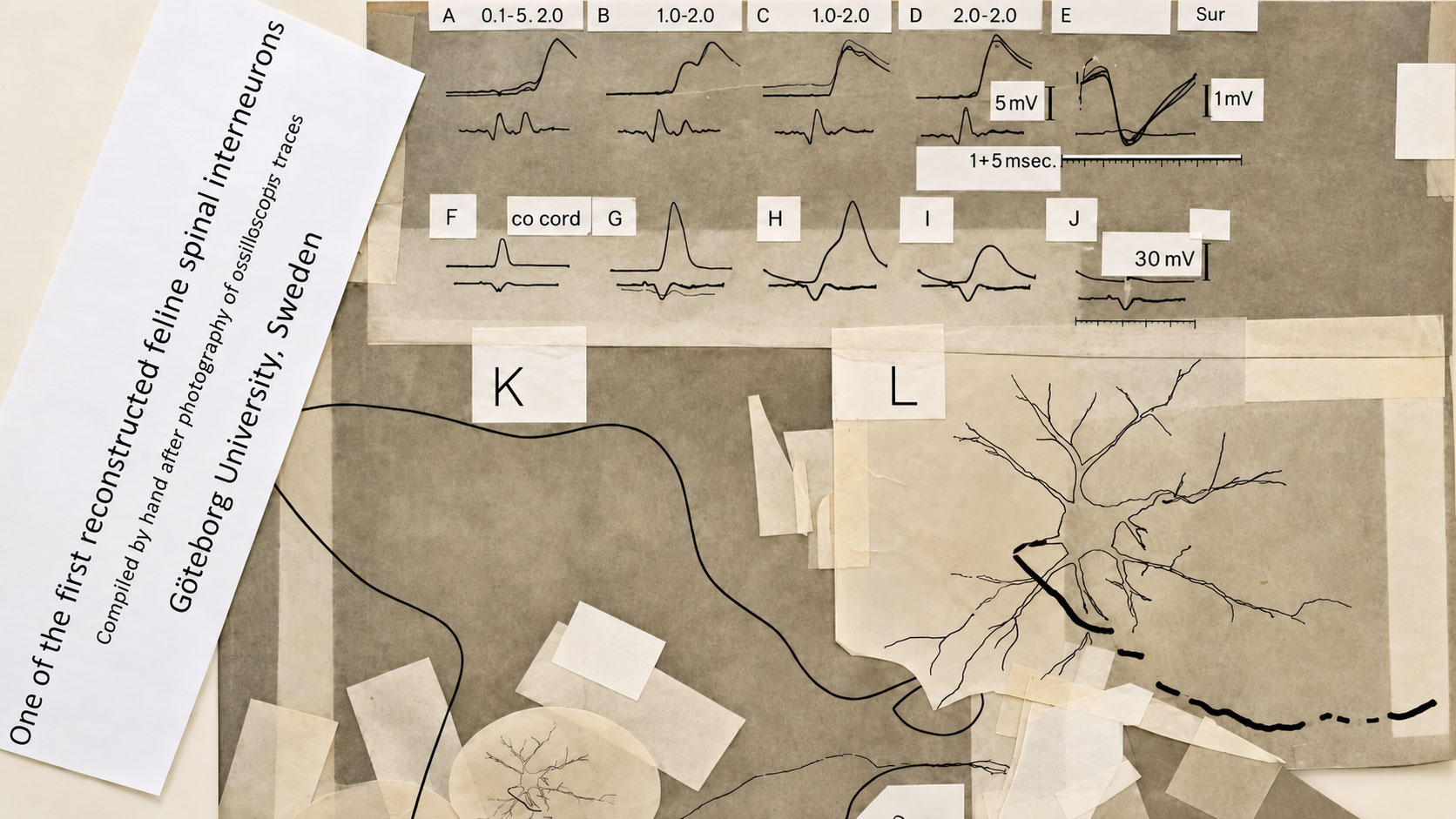
What can years of locomotion recordings tell us about which spinal circuits are worth investigating in people?
Fundamental spinal mechanisms
How do thoracic cholinergic interneurons contribute to postural control independently of locomotor rhythm?
Traditional Territories Acknowledgement
The University of Manitoba campuses and research spaces are located on original lands of Anishinaabeg, Ininiwak, Anisininewuk, Dakota Oyate, Dene and Inuit, and on the National Homeland of the Red River Métis.
UM recognizes that the Treaties signed on these lands are a lifelong, enduring relationship, and we are dedicated to upholding their spirit and intent. We acknowledge the harms and mistakes of the past and the present. With this understanding, we commit to supporting Indigenous excellence through active Reconciliation, meaningful change, and the creation of an environment where everyone can thrive. Our collaboration with Indigenous communities is grounded in respect and reciprocity and this guides how we move forward as an institution.
News
Lab updates and announcements supporting our broader research program.
Serious science.
Human lab.
We value intellectual rigor, curiosity, and interdisciplinary collaboration — but we also value the people behind the research. We build a supportive environment for trainees who ask good questions. And yes, there is always cake.