What does the spinal cord know, and how much of that knowledge can we carry forward after injury?
The Stecina Lab studies how spinal neural networks organize movement and function. We work to discover fundamental mechanisms experimentally and determine how those mechanisms can be tested across accumulated data, computational models, and human physiology.
Understand the circuit
Fundamental spinal mechanisms, reflex organization, sensorimotor circuits, neuromodulation, and postural/locomotor control.
"Can non-invasive stimulation protocols activate trunk motor pools with sufficient specificity to improve sitting balance?"
We use motion capture and targeted stimulation to map how the injured human spinal cord processes motor commands. Our goal is to translate basic spinal physiology into practical interventions for postural stability and independent movement.
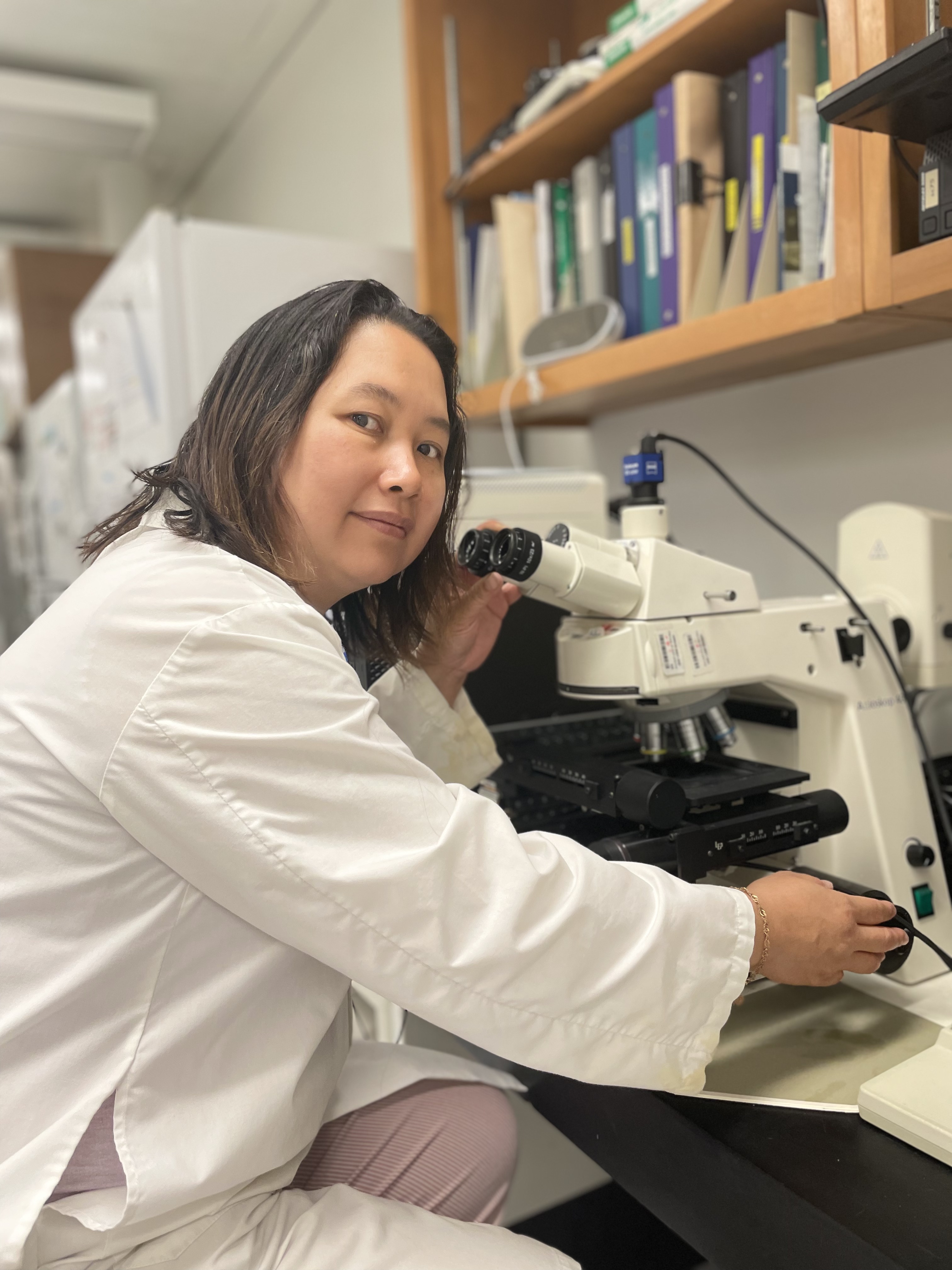
FIG. 01 — Cellular microscopy & synaptic integration
Learn from the data
Using accumulated experimental recordings and physiological data to identify candidate patterns, hypotheses, and circuits worth carrying forward.
What can approximately twenty years of fictive locomotion recordings tell us about which spinal circuits are worth investigating next?
By re-analyzing long-standing experimental archives computationally, we seek to extract new insights from past recordings to guide future experimental design.
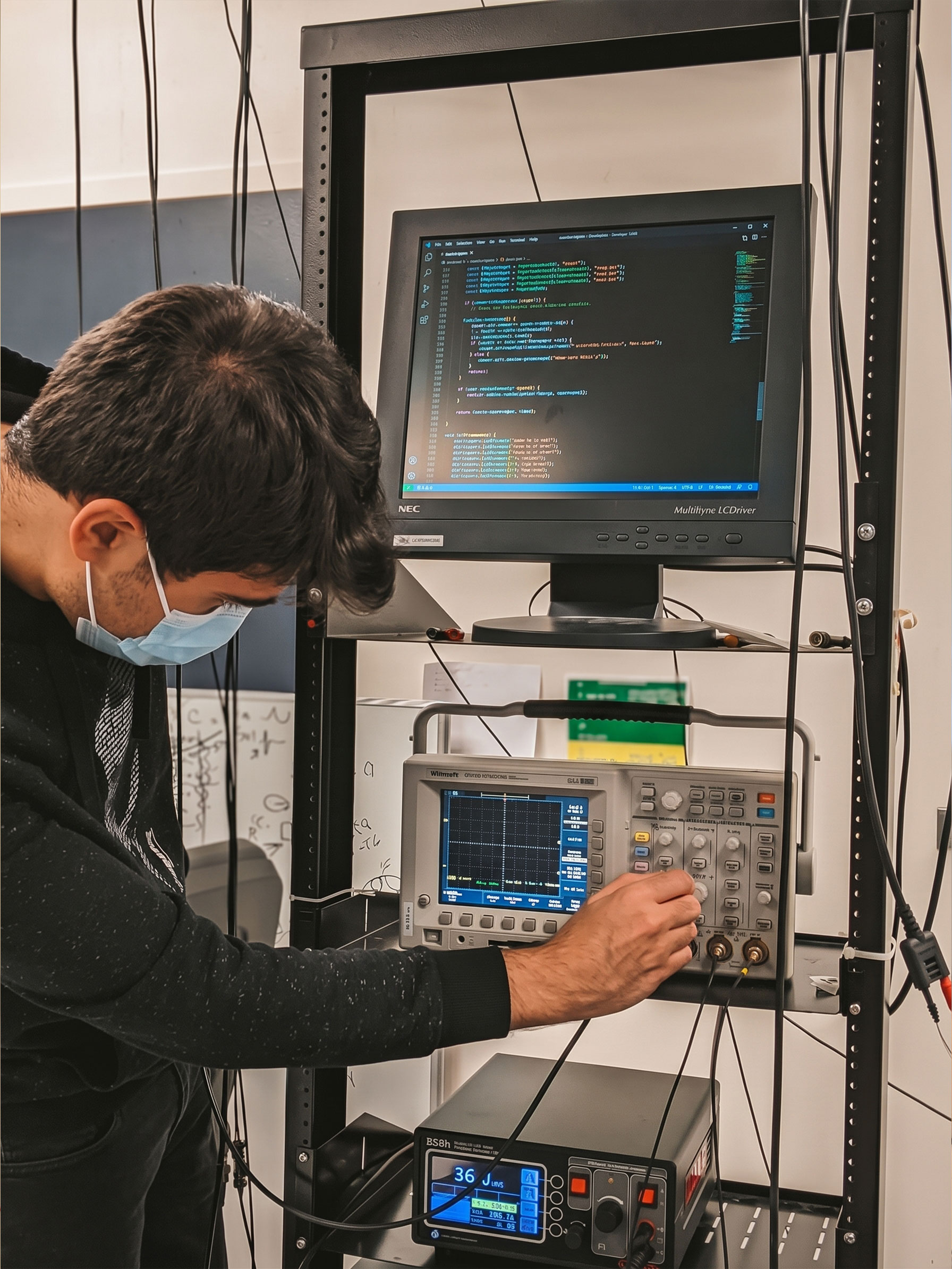
FIG. 02 — Electrophysiology recording & stimulation parameters
Test it in people
Connecting mechanisms identified experimentally with measurable human physiology and function in spinal cord injury.
Does a trunk-control circuit identified experimentally also respond to transcutaneous stimulation in people with mid-thoracic spinal cord injury?
This translational work examines non-invasive stimulation, electromyography (EMG), posturography, and seated posture control to evaluate how spinal circuits respond in human participants.
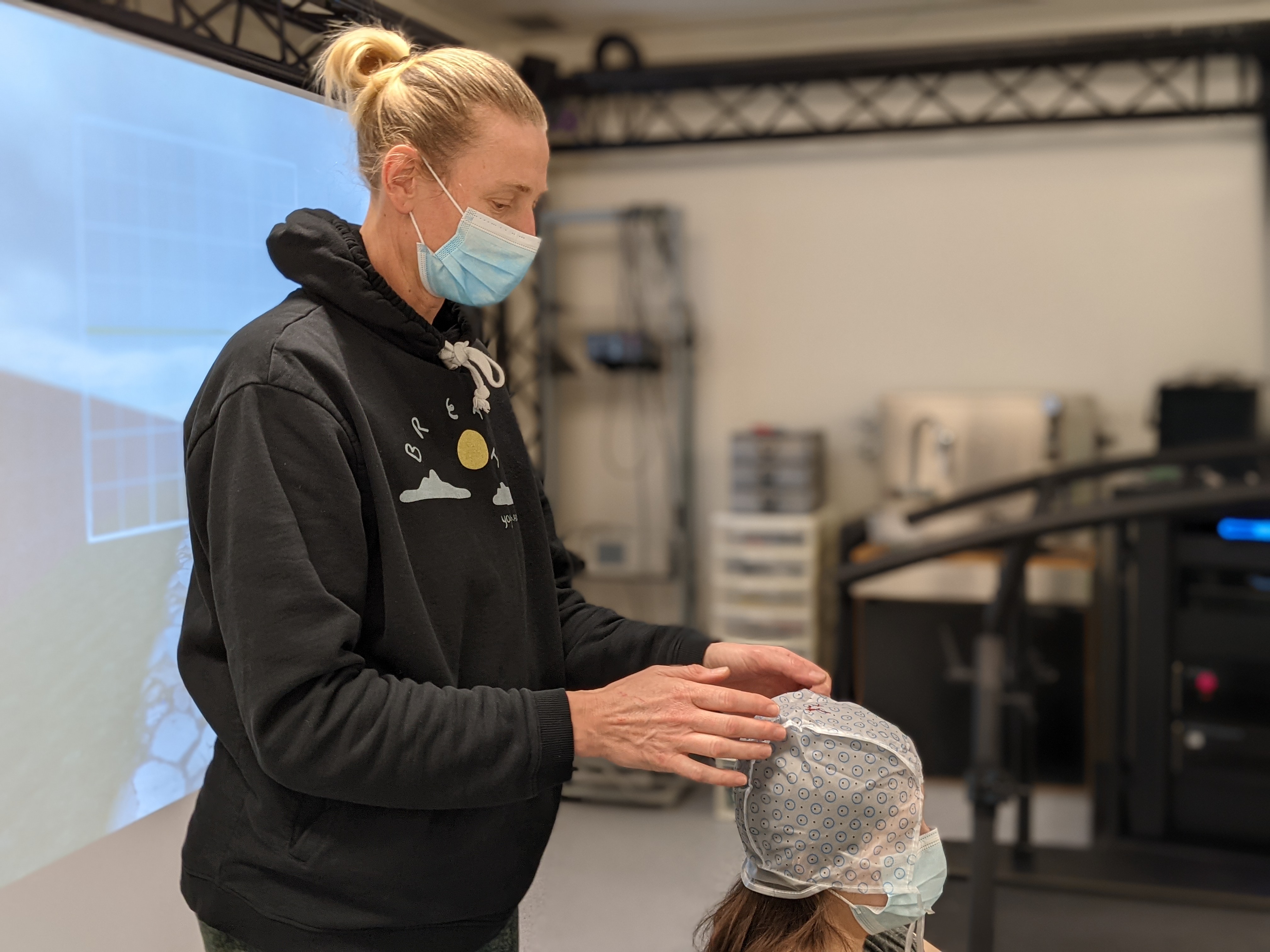
FIG. 03 — Human neurorehabilitation & HD-EEG locomotion setup
Measure recovery
Developing better ways to understand how motor, sensory, and autonomic function change over time following spinal cord injury.
What changes, and in what order, across motor, sensory, and autonomic measures during the first years after injury?
A developing infrastructure concept to establish shared measurement capabilities for tracking longitudinal functional changes across multiple physiological systems.
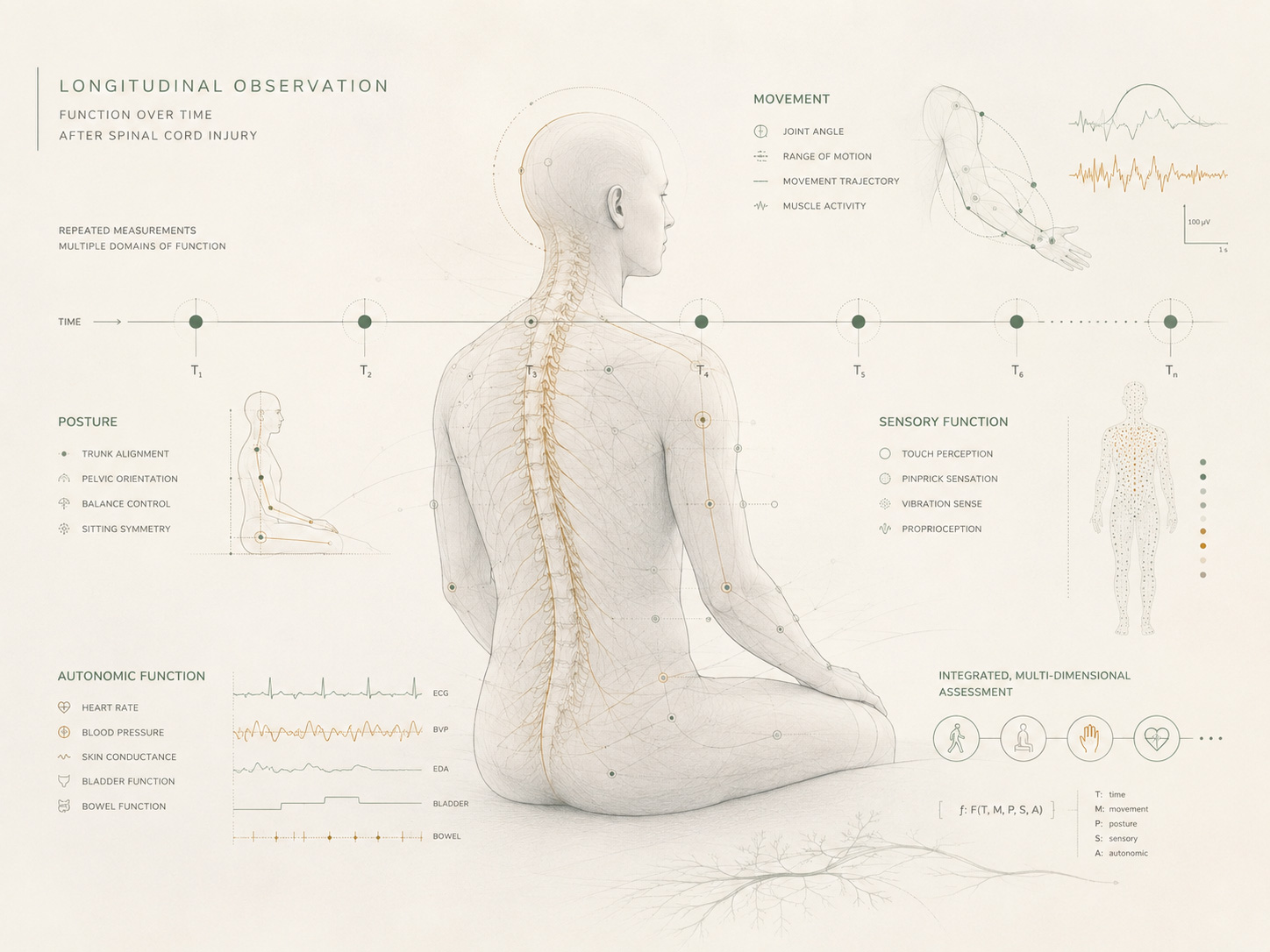
FIG. 04 — Longitudinal recovery & multi-system functional mapping
EMG & Kinematics
Multichannel surface recording synchronized with 3D motion capture to record muscle activation patterns during postural and locomotor tasks.
Intracellular & Synaptic Recording
In vitro and in vivo electrophysiology to characterize individual interneuron membrane properties, synaptic inputs, and neuropharmacological responses.
Pattern Extraction & Machine Learning
Custom signal processing workflows that reduce complex multi-channel recordings to interpretable motor modules and spinal circuit state maps.
CIHR · NSERC · Research Manitoba · Spinal Cord Research Centre · Innovation Canada
Spinal Cord Physiology Lab — specializing in neurostimulation, balance & motor-control, and motion-analysis infrastructure.
Interested in collaborating, participating, or joining the lab?